Burnie Academy
1255 short, honest guides to Indian food and weight loss. No fake precision — every calorie figure traces to a named source.
Read. Ask. Save.
See the app guide for asking about articles, liking useful reads and saving them for later.
Read every article for free
Register with your mobile number and OTP. Use the same number in the Burnie app to keep your profile, likes and favourites together.
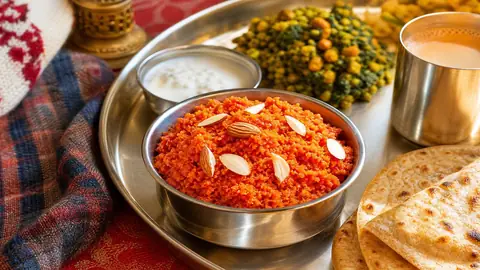 Gajar ka halwa - carrots can't save it
One katori of gajar ka halwa is about 386 kcal, and the carrots give only a tiny slice of that. The ghee, sugar and khoya do almost all the work, but a lighter home bowl can drop to about 190 kcal.
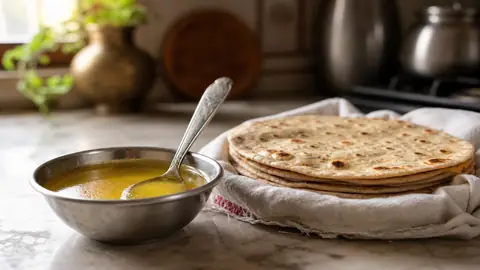 Ghee on every roti - is it hurting your goal?
A teaspoon of ghee is about 45 kcal - small on its own, but a teaspoon on each of four rotis, twice a day, adds up to about 360 kcal of pure fat every day. Ghee can be part of a healthy plan, but the calories count even when the fat is 'good'. Try one teaspoon for the whole meal instead of one per roti.
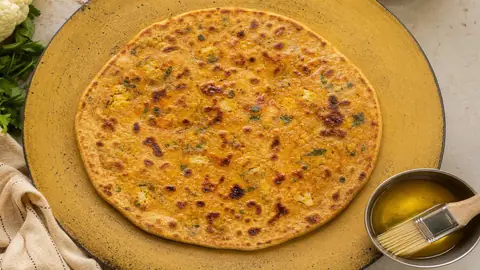 Gobi paratha - where do the calories hide?
The cauliflower stuffing is light, but the oil on the tawa is heavy. One generously fried gobi paratha can carry over 300 kcal, and most of that is cooking oil, not the gobi.
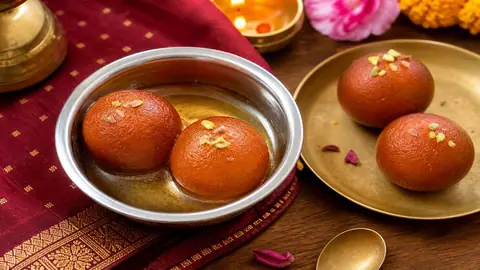 Two gulab jamun - the after-dinner reality
Two gulab jamun after dinner add about 300 kcal, and most of that is sugar syrup and the fried khoya ball. Eat one piece slowly, warm it, and the sweet stops running your whole day.
 One scoop of ice cream: how many calories really?
One generous scoop of vanilla ice cream is about 200 kcal, and toppings like chocolate sauce and nuts can add 150 more. Kulfi is not the lighter pick - a malai kulfi is just as high, because it is boiled-down milk and sugar.
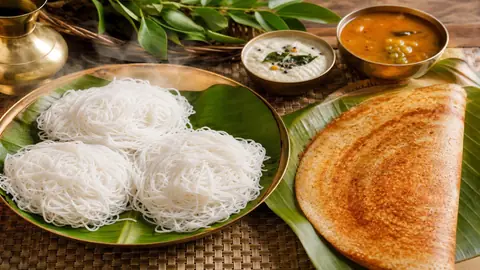 Idiyappam vs dosa - does steaming really win?
Idiyappam is steamed with no oil, so one piece is about 69 kcal against 133 for a plain dosa. Steaming wins on fat, but the coconut milk you pour on top can quietly close the gap.
 Losing inches but not kilos - is that okay?
Yes - and it is often better than watching the kilos drop. Your scale adds up water, muscle and glycogen too, so a shrinking waist can mean real fat loss even when your weight stays flat.
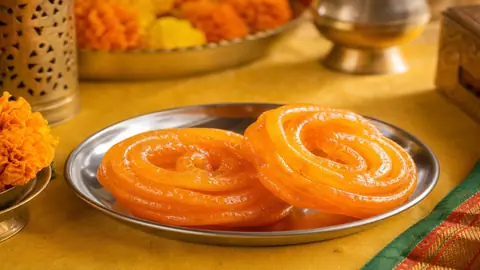 Jalebi - crispy sugar spirals, how heavy?
Two medium jalebis from the dhaba come to about 300 kcal, and almost all of it is sugar and frying oil. Keep them for festivals, share the plate, and on a normal day one piece is plenty.
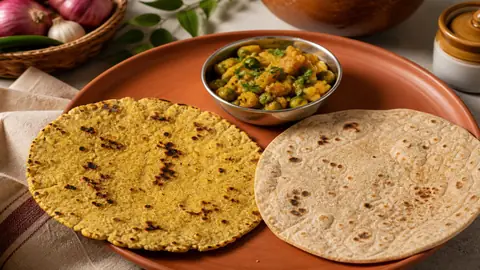 Jowar bhakri - the lighter roti swap?
A jowar bhakri and a wheat roti are almost the same calories per piece - about 100-110 kcal each, dry. The real win is eating one thick, chewy bhakri instead of two rotis, so you stay full longer on fewer total calories.
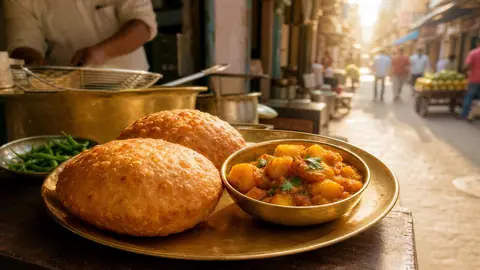 Kachori sabzi: a heavy way to start your day
A plate of 2 kachoris with oily aloo sabzi runs about 590 kcal, more than three plates of poha. The deep-fried maida shell and the oil do most of the work, not the potato.
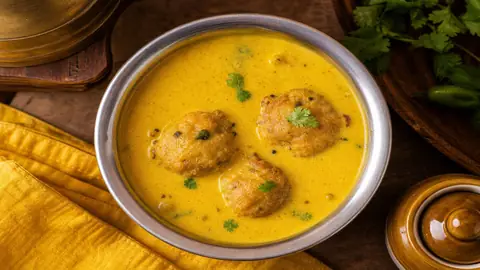 Kadhi pakora - is the curd bowl light?
Kadhi sounds light because it is mostly curd. But the deep-fried besan pakoras floating inside push one katori to about 276 kcal, nearly double the plain curd version.
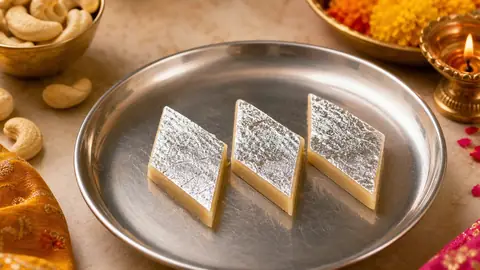 Kaju katli - thin slices hide rich calories
Three thin slices of kaju katli pack about 123 kcal, almost all from cashews and sugar. Pick two slices as your one festival sweet and you keep the treat without overdoing it.
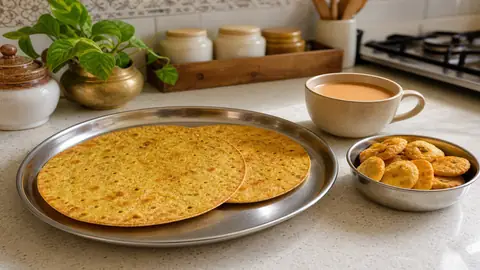 Khakhra - a genuinely lighter crunchy snack?
Khakhra is roasted, not fried, so it carries far less oil than a mathri - but it is still whole-wheat flour, not a zero-calorie food. Two thin khakhras give you a crunchy ~165-240 kcal snack, while a casual bowl of five mathris quietly runs past 400 kcal.
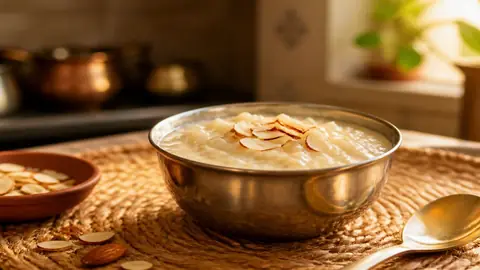 Kheer - milky comfort with a sugar catch
One katori of homemade rice kheer is about 235 kcal, and most of that comes from the full-cream milk and the sugar, not the rice. Use a little jaggery instead of sugar and a lighter hand, and you keep the festive taste for around 190 kcal.
 Malai kofta - the dessert of gravies?
Malai kofta curry is one of the richest curries on a Punjabi thali - a single home-style katori carries about 332 kcal, and nearly three-quarters of that comes from fat. Bake the koftas, use half the cream, and the same katori drops to around 245 kcal without losing the festive feel.
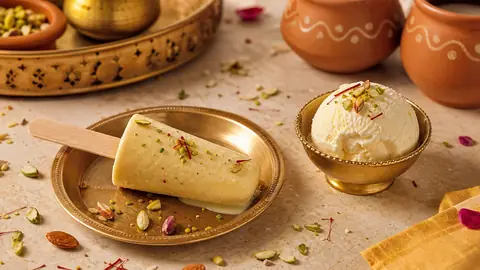 Kulfi vs ice cream - which one is heavier on you?
One malai kulfi stick gives you about 200 kcal, while a single scoop of vanilla ice cream is closer to 145 kcal. Kulfi is not churned with air, so the same-looking treat weighs more and carries more calories per bite.
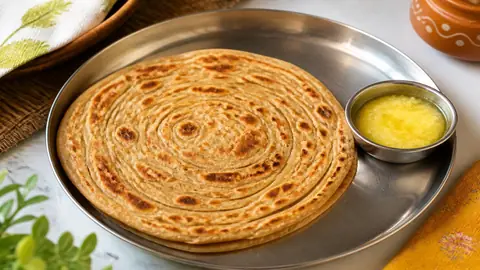 Lachha paratha - do the layers add calories?
A lachha paratha looks like a fancy roti, but each flaky layer is folded with ghee or oil. One whole-wheat lachha paratha is about 250 kcal - roughly 100 kcal more than a plain roti, and almost all of that extra is the fat tucked between the layers.
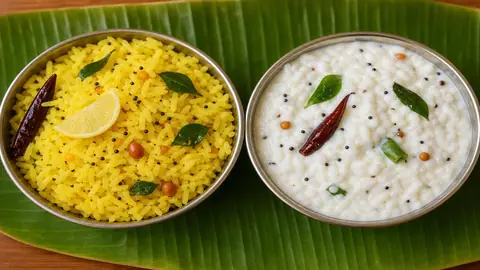 Lemon rice or curd rice - which is lighter?
A bowl of lemon rice is about 175 kcal, while a real curd rice bowl is closer to 376 kcal, not because curd is heavy but because the curd rice bowl is bigger and uses two tablespoons of oil. Per spoon the two are nearly the same, so the tempering oil and the bowl size decide which one is lighter.
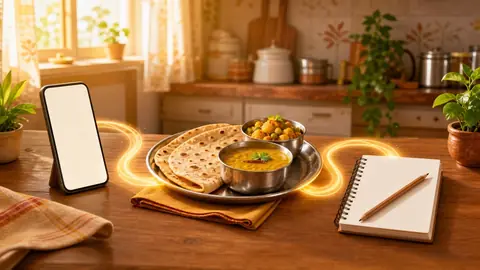 Paneer butter masala - can it ever be light?
A normal serving of paneer butter masala is about 635 kcal, and almost 7 in 10 of those calories come from cream, butter and fried paneer. Swap the cream for hung curd, halve the butter, and skip the paneer fry, and the same bowl drops to roughly 390 kcal - same taste, far less fat.
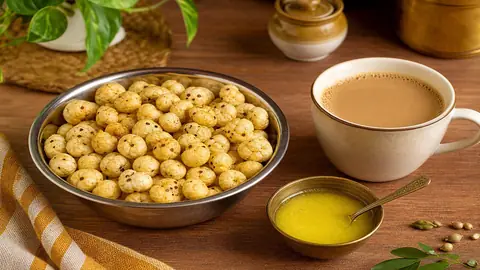 Makhana - the snack that's actually smart
A bowl of ghee-roasted makhana is about 215 kcal - far lighter than the same bowl of namkeen at about 290 kcal. The catch is the ghee: dry-roast it and the bowl drops to about 175 kcal.
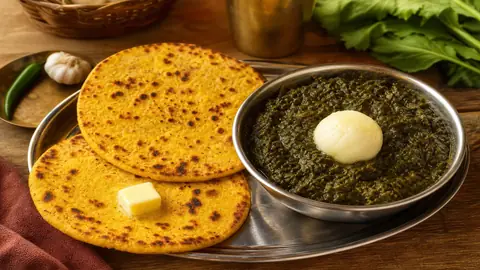 Makki roti and sarson da saag - the butter is the bomb
A classic winter plate of two makki rotis, sarson da saag and a big white-butter dollop is about 700 kcal. Skip just the makhan tower and the same plate drops to around 520 - the saag is light, the butter is the bomb.
 Masala dosa vs plain dosa - the potato and oil gap
A plain dosa is a light breakfast at about 104 kcal, but the aloo filling and the extra oil on a masala dosa push it to roughly 300 at home and over 1,000 in a restaurant. The potato adds a little - the oil is what really widens the gap.
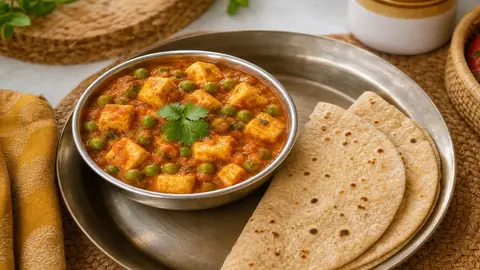 Matar paneer - how heavy is one katori?
One katori of matar paneer is about 380 kcal, and most of that comes from the paneer cubes and the gravy oil, not the peas. Swap paneer for tofu, use half the oil, and skip the cream to bring the same katori closer to 200 kcal.
 Mathri and chai - a quiet daily calorie habit
Two fried mathris with sweet chai is a normal tea-time habit that quietly adds up to about 270 kcal a day, or roughly 1,880 kcal a week on top of your meals. Bake your mathris and ease the sugar in your chai, and the same ritual drops to about 120 kcal a day.
5 ways to track progress that aren't the scale
The scale jumps around because of water, salt and stored sugar, not just fat. Track your waist, photos, clothes, energy and sleep each week to see real progress the number hides.
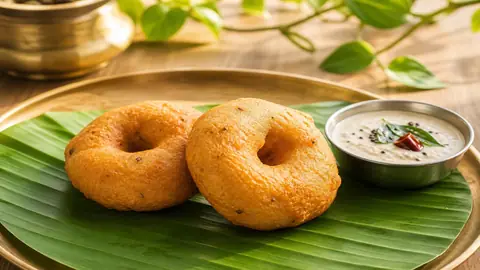 Medu vada - the fried doughnut of breakfast
Two medu vadas look small but hide about 190 kcal, and almost half of that comes from the oil they soak up in the hot kadai. Swap them for two steamed idlis and you drop to about 66 kcal with the same urad-dal-and-rice flavour you love.
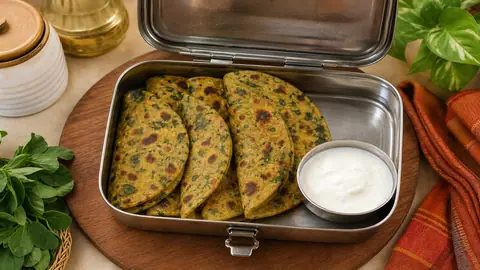 Thepla in the tiffin - how many is okay?
Thepla is a clever travel bread because the oil keeps it soft for days, but that same oil makes a stack of four land near 500 kcal. Two theplas with curd and a veg is the smart tiffin number that keeps you full without the oil overload.
Thick Shakes - dessert in a straw
A big cafe thick shake hides ice cream, sugar and chocolate syrup inside cold milk, so one tall glass can run close to 600 kcal. Blend one banana with milk at home instead and the same tall glass drops to about 230 kcal.
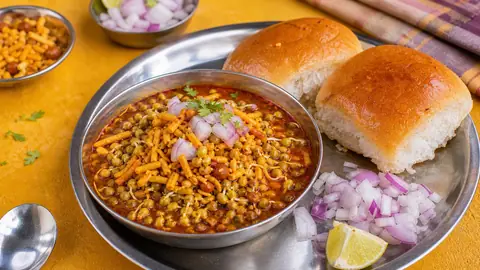 Misal pav - healthy sprouts or an oily rassa trap?
Misal pav begins with healthy sprouts, but the oily rassa, fried farsan and two soft pav buns push a normal street plate to about 540 kcal. Go easy on the farsan and skip the second pav to keep the same spicy plate for far less.
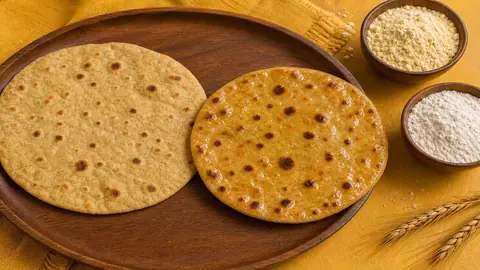 Is missi roti a healthy roti?
Missi roti mixes besan with wheat, so it packs more protein and fibre than a plain roti - but the ghee or oil you cook it in decides the calories. A dry-cooked missi roti is about 77-103 kcal, while a dhaba-style one brushed with a tablespoon of ghee jumps to nearly 200.