Burnie Academy
1255 short, honest guides to Indian food and weight loss. No fake precision — every calorie figure traces to a named source.
Read. Ask. Save.
See the app guide for asking about articles, liking useful reads and saving them for later.
Read every article for free
Register with your mobile number and OTP. Use the same number in the Burnie app to keep your profile, likes and favourites together.
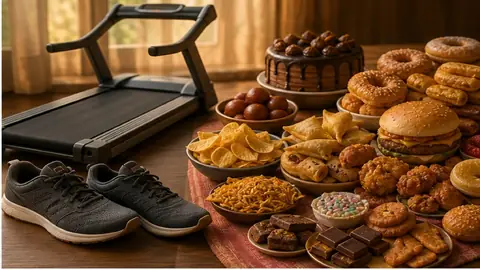 You Can't Out-Train a Bad Diet — The Honest Math
One big dessert can equal three hours of brisk walking. The food side of your calorie deficit is the bigger lever, and Burnie shows you both numbers honestly.
You Can't Out-Train a Bad Diet — The Honest Math
One big dessert can equal three hours of brisk walking. The food side of your calorie deficit is the bigger lever, and Burnie shows you both numbers honestly.
 Calories in vs calories out — the simple truth
Your weight is a balance between calories you eat and calories you burn. The eating side moves fast, but the burning side is slow and sticky, so the easy win is to log food first.
Calories in vs calories out — the simple truth
Your weight is a balance between calories you eat and calories you burn. The eating side moves fast, but the burning side is slow and sticky, so the easy win is to log food first.
 Eating, Not Exercise, Decides Your Weight Loss
For most people, eating adds calories far faster than exercise can burn them off. When you see your food first, you hold the biggest lever for your daily deficit.
Eating, Not Exercise, Decides Your Weight Loss
For most people, eating adds calories far faster than exercise can burn them off. When you see your food first, you hold the biggest lever for your daily deficit.
 Why Exercise Alone Barely Moves the Scale
Exercise is genuinely great for your body. But without any change to eating, studies show it usually gives only a small weight loss. Here is the evidence, and why food is the bigger lever for the deficit.
Why Exercise Alone Barely Moves the Scale
Exercise is genuinely great for your body. But without any change to eating, studies show it usually gives only a small weight loss. Here is the evidence, and why food is the bigger lever for the deficit.
 Do GLP-1 medicines end diet culture or make it stronger?
GLP-1 weight-loss medicines change how people think about food and bodies. Some people say they finally free us from diet culture, but others worry they make thinness feel like the only okay body shape.
Do GLP-1 medicines end diet culture or make it stronger?
GLP-1 weight-loss medicines change how people think about food and bodies. Some people say they finally free us from diet culture, but others worry they make thinness feel like the only okay body shape.
 GLP-1 and Eating Disorders: A Tricky Two-Sided Story
GLP-1 medicines may help some people who binge eat, but they can also spark rigid food fear and unsafe restriction. Anyone with an eating-disorder past needs careful doctor and specialist supervision before trying them.
GLP-1 and Eating Disorders: A Tricky Two-Sided Story
GLP-1 medicines may help some people who binge eat, but they can also spark rigid food fear and unsafe restriction. Anyone with an eating-disorder past needs careful doctor and specialist supervision before trying them.
 Compounded 'semaglutide': cheaper copy, real risks
Compounded semaglutide is not the same as real Ozempic or Wegovy, and some copies use wrong salt forms that FDA says are not safe. Pick CDSCO-approved medicine and talk to your doctor instead.
Compounded 'semaglutide': cheaper copy, real risks
Compounded semaglutide is not the same as real Ozempic or Wegovy, and some copies use wrong salt forms that FDA says are not safe. Pick CDSCO-approved medicine and talk to your doctor instead.
 Why the GLP-1 weight-loss pens ran out worldwide
From 2022 to early 2025, pharmacy shelves for GLP-1 weight-loss pens often sat empty because demand grew far faster than factories could make the pens. The FDA has now declared the semaglutide and tirzepatide shortages resolved, and India has its own generic semaglutide from March 2026.
Why the GLP-1 weight-loss pens ran out worldwide
From 2022 to early 2025, pharmacy shelves for GLP-1 weight-loss pens often sat empty because demand grew far faster than factories could make the pens. The FDA has now declared the semaglutide and tirzepatide shortages resolved, and India has its own generic semaglutide from March 2026.
 GLP-1 medicines: who gets them and who is left out
New generic semaglutide in India costs as little as Rs 325 a week, so far more people can afford it now. But rural clinics, thin insurance, and pricey imported tirzepatide still leave many people behind.
GLP-1 medicines: who gets them and who is left out
New generic semaglutide in India costs as little as Rs 325 a week, so far more people can afford it now. But rural clinics, thin insurance, and pricey imported tirzepatide still leave many people behind.
 Fake weight-loss injection pens: how to stay safe in India
Fake copies of popular weight-loss injection pens are being sold online in India, and some have been seized by drug regulators. This guide shows you how to spot a fake pen, why it is dangerous, and how to buy the real medicine safely with a prescription.
Fake weight-loss injection pens: how to stay safe in India
Fake copies of popular weight-loss injection pens are being sold online in India, and some have been seized by drug regulators. This guide shows you how to spot a fake pen, why it is dangerous, and how to buy the real medicine safely with a prescription.
 Is taking a GLP-1 medicine cheating?
Many people feel guilty taking a GLP-1 medicine for weight loss. It is not cheating. It is medicine for a biology problem, not a character flaw.
Is taking a GLP-1 medicine cheating?
Many people feel guilty taking a GLP-1 medicine for weight loss. It is not cheating. It is medicine for a biology problem, not a character flaw.
 Are too many people being given GLP-1 medicines?
GLP-1 medicines are real treatments for obesity and diabetes, not a wellness upgrade for anyone who wants to drop a few kilos. The honest question is whether they fit your body and your health, not whether they are popular right now.
Are too many people being given GLP-1 medicines?
GLP-1 medicines are real treatments for obesity and diabetes, not a wellness upgrade for anyone who wants to drop a few kilos. The honest question is whether they fit your body and your health, not whether they are popular right now.
 Don't trust TikTok GLP-1 advice - spot the fake stuff
Social media is full of GLP-1 weight-loss tips, but most come from non-doctors and some are dangerous. Learn how to spot fake Ozempic advice, 'natural' supplement scams, and AI-changed before-after photos.
Don't trust TikTok GLP-1 advice - spot the fake stuff
Social media is full of GLP-1 weight-loss tips, but most come from non-doctors and some are dangerous. Learn how to spot fake Ozempic advice, 'natural' supplement scams, and AI-changed before-after photos.
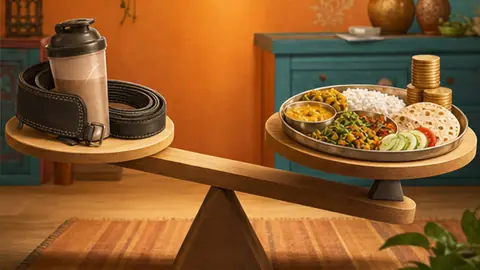 An honest look at weight-loss money and GLP-1 medicines
The diet industry has profited from weight loss and regain for decades. GLP-1 medicines are real and tested, but the money side still matters.
An honest look at weight-loss money and GLP-1 medicines
The diet industry has profited from weight loss and regain for decades. GLP-1 medicines are real and tested, but the money side still matters.
 Amycretin: one molecule that hits GLP-1 and amylin
Amycretin is an experimental Novo Nordisk drug that targets both GLP-1 and amylin in one molecule. Early trials show strong weight loss, but it is not approved and not available yet.
Amycretin: one molecule that hits GLP-1 and amylin
Amycretin is an experimental Novo Nordisk drug that targets both GLP-1 and amylin in one molecule. Early trials show strong weight loss, but it is not approved and not available yet.
 Bimagrumab: a different idea — lose fat, keep muscle
Bimagrumab is a lab-made antibody that helps the body lose fat while keeping muscle. It is still in testing, not approved, and you cannot get it in India or anywhere yet.
Bimagrumab: a different idea — lose fat, keep muscle
Bimagrumab is a lab-made antibody that helps the body lose fat while keeping muscle. It is still in testing, not approved, and you cannot get it in India or anywhere yet.
 CagriSema: semaglutide plus an amylin copy, in trials
CagriSema is an experimental two-hormone weight-loss shot still in trials and not approved anywhere, including India. Early results look strong but came in below what the maker hoped, so it is years from reach.
CagriSema: semaglutide plus an amylin copy, in trials
CagriSema is an experimental two-hormone weight-loss shot still in trials and not approved anywhere, including India. Early results look strong but came in below what the maker hoped, so it is years from reach.
 Why scientists combine GLP-1 with other hormones
GLP-1 alone helps, but it works through only one pathway. Scientists are now combining GLP-1 with other gut hormones so weight loss comes from several angles at once.
Why scientists combine GLP-1 with other hormones
GLP-1 alone helps, but it works through only one pathway. Scientists are now combining GLP-1 with other gut hormones so weight loss comes from several angles at once.
 MariTide: a once-a-month obesity drug in trials
MariTide is an experimental weight-loss injection from Amgen that may work for a whole month per shot. It is still in trials, not approved, and not sold anywhere, including India.
MariTide: a once-a-month obesity drug in trials
MariTide is an experimental weight-loss injection from Amgen that may work for a whole month per shot. It is still in trials, not approved, and not sold anywhere, including India.
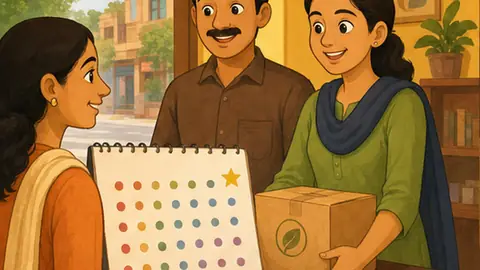 When will the new obesity drugs reach India?
The exciting new weight-loss medicines are mostly still in trials. Only one is approved anywhere, and none are sold in India yet. Here is an honest timeline for Indian readers.
When will the new obesity drugs reach India?
The exciting new weight-loss medicines are mostly still in trials. Only one is approved anywhere, and none are sold in India yet. Here is an honest timeline for Indian readers.
 The next wave of obesity medicines in trials
A record number of new obesity medicines are being tested in trials right now. Most are still years from approval, and none are sold in India today.
The next wave of obesity medicines in trials
A record number of new obesity medicines are being tested in trials right now. Most are still years from approval, and none are sold in India today.
 Orforglipron (Foundayo): the GLP-1 weight-loss pill
Orforglipron is a daily GLP-1 pill for weight loss, now approved in the US as Foundayo — no injection, no fridge. It is not yet sold in India, though India's drug panel has recommended it, so talk to your doctor and wait.
Orforglipron (Foundayo): the GLP-1 weight-loss pill
Orforglipron is a daily GLP-1 pill for weight loss, now approved in the US as Foundayo — no injection, no fridge. It is not yet sold in India, though India's drug panel has recommended it, so talk to your doctor and wait.
 Pemvidutide: a GLP-1 + glucagon dual drug in trials
Pemvidutide is an experimental weight-loss shot that targets two body signals at once. It is still in trials, not approved, and not sold anywhere, including India.
Pemvidutide: a GLP-1 + glucagon dual drug in trials
Pemvidutide is an experimental weight-loss shot that targets two body signals at once. It is still in trials, not approved, and not sold anywhere, including India.
 Retatrutide: the triple-hormone obesity drug in trials
Retatrutide is an experimental weight-loss drug still in clinical trials. It is NOT approved by the FDA or sold in India, so do not seek or buy it.
Retatrutide: the triple-hormone obesity drug in trials
Retatrutide is an experimental weight-loss drug still in clinical trials. It is NOT approved by the FDA or sold in India, so do not seek or buy it.
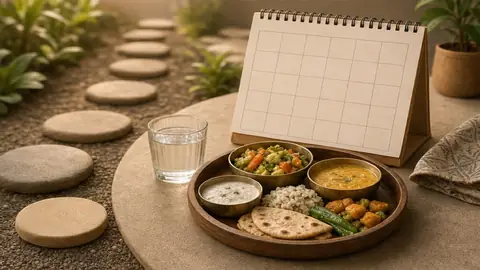 Taking a break from your GLP-1: a good idea?
A planned break from your GLP-1 weight-loss injection usually leads to weight regain. Unlike some bone medicines, GLP-1s do not have an official drug-holiday plan, so stay on it with your doctor's help.
Taking a break from your GLP-1: a good idea?
A planned break from your GLP-1 weight-loss injection usually leads to weight regain. Unlike some bone medicines, GLP-1s do not have an official drug-holiday plan, so stay on it with your doctor's help.
 Staying on a GLP-1 for the long haul — in real life
Staying on a GLP-1 medicine for months or years takes a simple weekly system, not willpower alone. Cost, routine, motivation, and follow-up all matter — here is how real people keep going.
Staying on a GLP-1 for the long haul — in real life
Staying on a GLP-1 medicine for months or years takes a simple weekly system, not willpower alone. Cost, routine, motivation, and follow-up all matter — here is how real people keep going.
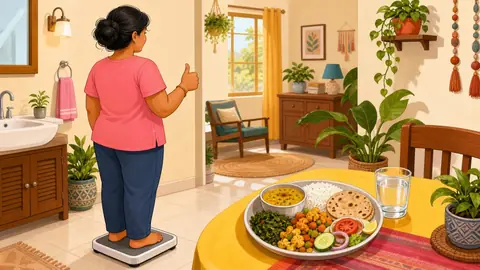 A lower GLP-1 dose to hold your weight?
After you hit your weight goal, your doctor may step you down to a lower GLP-1 dose to hold the new weight. This is a real but mostly off-label plan, so it must be your doctor's call.
A lower GLP-1 dose to hold your weight?
After you hit your weight goal, your doctor may step you down to a lower GLP-1 dose to hold the new weight. This is a real but mostly off-label plan, so it must be your doctor's call.
 What to watch after you stop a GLP-1
Stopping a GLP-1 is not the end of the journey; it is the start of maintenance. Here is what to check, how often, and when to call your doctor so small slips do not become big climbs.
What to watch after you stop a GLP-1
Stopping a GLP-1 is not the end of the journey; it is the start of maintenance. Here is what to check, how often, and when to call your doctor so small slips do not become big climbs.
 Why hunger surges when you stop a GLP-1
When you stop a GLP-1 medicine, your hunger can jump back up for weeks. This is your body's hunger hormones waking up again, not a weakness. Here is what happens and how to ride it out.
Why hunger surges when you stop a GLP-1
When you stop a GLP-1 medicine, your hunger can jump back up for weeks. This is your body's hunger hormones waking up again, not a weakness. Here is what happens and how to ride it out.
 Do GLP-1 side effects go away when you stop?
Most GLP-1 side effects like nausea and bloating fade after you stop, because they come from the medicine itself. Here is what goes away, how fast, and what still needs a doctor.
Do GLP-1 side effects go away when you stop?
Most GLP-1 side effects like nausea and bloating fade after you stop, because they come from the medicine itself. Here is what goes away, how fast, and what still needs a doctor.