Burnie Academy
1255 short, honest guides to Indian food and weight loss. No fake precision — every calorie figure traces to a named source.
Read. Ask. Save.
See the app guide for asking about articles, liking useful reads and saving them for later.
Read every article for free
Register with your mobile number and OTP. Use the same number in the Burnie app to keep your profile, likes and favourites together.
 The plateau that is really a pause — reading four flat weeks
Four flat weeks on the scale feel like failure, but they are usually a pause, not a stop. Read your own numbers — the portions, the movement, the maths — before you quit the plan.
 Restarting after a long break — your metabolism did not break
You stopped logging for weeks or months, and now you fear your metabolism broke. It did not. Your BMR simply follows your weight, so re-baseline the number and start a small log. The maths still works.
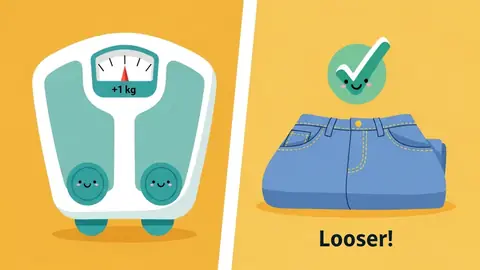 When the scale says up but your clothes say down
You step on, the scale is up a kilo, but the jeans that were tight last week now zip without a fight. The scale adds up water, muscle, glycogen and waste too, so two signals can disagree - and the jeans usually read the truth the scale is hiding.
 The 3 pm crash — what your afternoon log reveals about lunch
That 3 pm crash at your desk is usually a lunch problem, not a willpower problem. When you read your Burnie afternoon log next to your lunch log, you can see which lunches leave you sleepy and which keep you steady.
 The weekly weigh-in ritual — same day, same time, same truth
Daily weighing can leave you stressed by water swings that are not fat. One honest weekly weigh-in, done the same way every time, shows the true trend and keeps you calm.
 Why your weight jumps the day after a salty meal
A pickle, papad, or restaurant dinner can push the scale up 1-2 kg the next morning. That jump is water held by salt, not real fat, and it leaves on its own in a few days. Keep logging in Burnie - the maths is still true.
 Boredom eating vs hunger eating — what the log teaches
You grab a biscuit at 4 pm, and by dinner you cannot remember if you were hungry or just bored. The Burnie log, read across a full week, shows the pattern and teaches you to tell real hunger from boredom or stress eating.
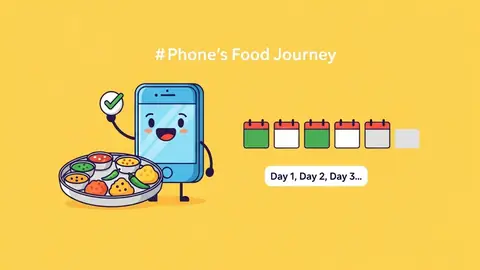 Building the log habit — small, daily, boring, powerful
The log habit is built tiny, daily, and on purpose, not by waiting to feel motivated. Boring repetition is the active ingredient, and research says it takes about 66 days of doing the same small thing for it to feel automatic.
 Discipline as freedom — why the structure sets you free
Discipline sounds like a cage. But the boring rules you choose — your daily log, your meal routine — are what free you from food fights. The structure carries the maths so your tired brain can rest.
 Environment design — making the log easier than the snack
At 9 pm the biscuit wins because it sits on the counter and your phone sits in the bedroom. Move Burnie to the table and the snack to the top cupboard, so logging becomes the easy default and the unchecked bite becomes the hard one.
 Self-compassion in the data — reading your log without shame
Your Burnie log is data, not a judge. Shame after a big number makes you quit logging; self-compassion — the kind words you would give a friend — keeps you logging, and the science says that is what actually moves the scale.
 The social cost of logging — and how to lower it
Pulling out your phone to log food at a family dinner or office party can feel rude or awkward, so many people just skip it. The good news: you can lower that social cost in under a minute and keep your streak alive without making the table uncomfortable.
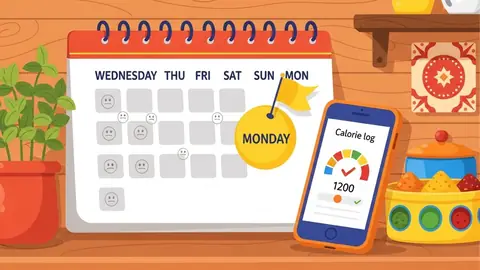 Why 'starting Monday' is the most expensive sentence in weight loss
Saying 'I will start Monday' sounds strong, but it quietly costs you most of your week. The next meal on your plate is a far better fresh start than a day that is still five days away.
 The trigger, the log, the choice — a tiny habit loop
An urge hits at 4 pm. You usually just eat. Try this small move instead: open Burnie and log the craving first. The log itself becomes the short pause that lets you choose better, because the urge is fast and willpower is slow.
 The two-minute rule that keeps Burnie in your day
The log only works if you actually do it every day. Shrink it to under two minutes and it stops feeling like a chore, so the habit sticks even on your most tired, busy days.
 When life is chaotic — the minimum-viable log
Travel, fever, exams, or a new baby can make a full food log impossible. A one-line dinner log keeps your Burnie streak alive and your day's biggest meal inside the maths, so the habit survives the chaos.
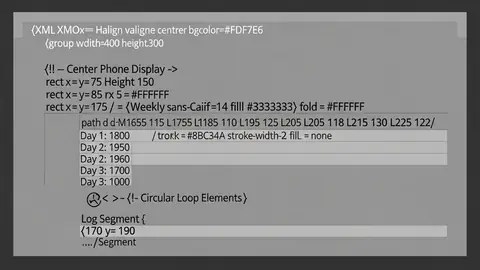 The discipline loop — log, notice, adjust, repeat
Logging your food in Burnie is only step one. The real change comes from a four-step loop — log, notice, adjust, repeat — that turns your daily numbers into one small fix each week.
 Identity over outcome — I am someone who logs
A weight goal like 'lose 5 kg' ends, and the kilos often return. Saying 'I am someone who logs my meals' builds an identity that keeps you logging long after the scale hits the number.
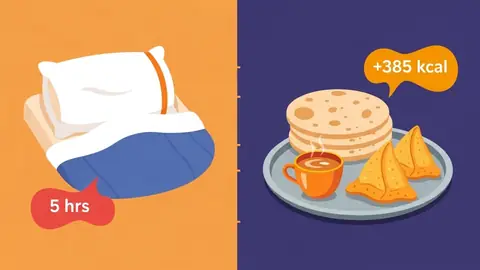 Less sleep, more hunger — the hormone maths behind it
Sleep loss raises ghrelin and lowers leptin, so you log more food the next day — about 385 extra kcal. Here is how that shows up in your Burnie maths and what to do about it.
 Meditation and the Burnie discipline — the pause before the log
A short breath or meditation before you open Burnie makes a tiny gap between the urge and the act. In that gap your food choice can change. Burnie does not read your mind or heart — the pause is your own practice, and it makes the log kinder.
 The morning log — why breakfast-adjacent logging sticks
Logging your food only works if you keep doing it every single day. The trick is to tie your first Burnie log of the day to something you already do each morning, like making chai or sitting down to breakfast. That one fixed anchor is what turns logging into a habit you do without thinking.
 Sleep — the number you do not log that moves every other number
Burnie logs your food and your weight, but it never reads your sleep — and sleep is the hidden number that moves both. Poor sleep quietly raises your hunger, changes what kind of weight you lose, and shifts every logged number the next day.
 The streak that survives a bad day, not a perfect one
A 30-day logging streak that snaps after one wedding night can feel like failure. The habit science says one missed day barely dents your automaticity. What truly counts is the restart you do the next morning.
 How 10 minutes of stillness changes what you eat next
Stress first, hand in the biscuit tin next. Ten quiet minutes before your next meal lowers that reactive pull, so when you open Burnie to log it, the food on your plate already looks different.
 What is actually good about waking up early (and what is not)
Your phone is full of 4 am wake-up gurus calling early rising the secret of fat loss. The honest truth is that the clock time does not burn extra calories, and breakfast itself is not magic. What actually helps is enough sleep, a calm morning, and logging your breakfast in Burnie before the first bite.
 Why motivation fades and systems do not
Motivation is a visitor that always leaves, so it can never be the thing that carries your weight loss. The system you build around you — your reminders, your kitchen counter, your if-then plans — is what keeps working when the feeling has gone home.
 Arthritis and movement — adjusting the 'active calories' side
Sore knees make long walks hurt, so the 'active calories' side of your daily maths drops. The fix is not to push through pain. It is to swap to joint-friendly movement and lean a little harder on the food side, with your doctor.
 Continuing your plan when a new diagnosis lands
A new diagnosis can shake your whole routine, and the Burnie log is often the first habit to slip. Here is how to keep logging through the disruption, and when to pause and reset your targets with your doctor.
 Fatty liver and the weight loss that quietly reverses it
A fatty liver often shrinks back when you lose about 7 to 10 percent of your body weight. The food and weight log in Burnie is the simple notebook that helps you and your doctor see it happen.
 Gestational diabetes changed your risk — what to do now
Gestational diabetes usually goes after birth, but your future risk of type 2 diabetes stays higher. The good news is small daily moves like a walk, a logged meal, and the sugar test your doctor books can cut that risk a lot.